







Search Results for: Henry Hu
San Francisco's Cafe X Coffee Robot Gordon: The Balanced Practice of Robotic Arm Brewing and Efficiency & Quality
When a barista becomes a robotic arm, a latte can be completed in just a few seconds—this is not a sci-fi movie, but the real scene at Cafe X in San Francisco. This small kiosk, founded by Hong Kong-born young man Henry Hu, centers on a modified Mitsubishi robotic arm named Gordon, attempting to find a balance between efficiency and quality. Cafe X does not pursue fancy customization, but returns to the essence of minimalist coffee, collaborating with roasters such as Verve and Peet's to allow the robot to precisely execute brewing parameters. The store also has product specialists offering tastings and explanations, similar to the role of a sommelier or an Apple Genius. Can this model change the development predicament of fast-food technology in Silicon Valley? How will the future of human-machine collaboration affect the coffee service industry? [more…]
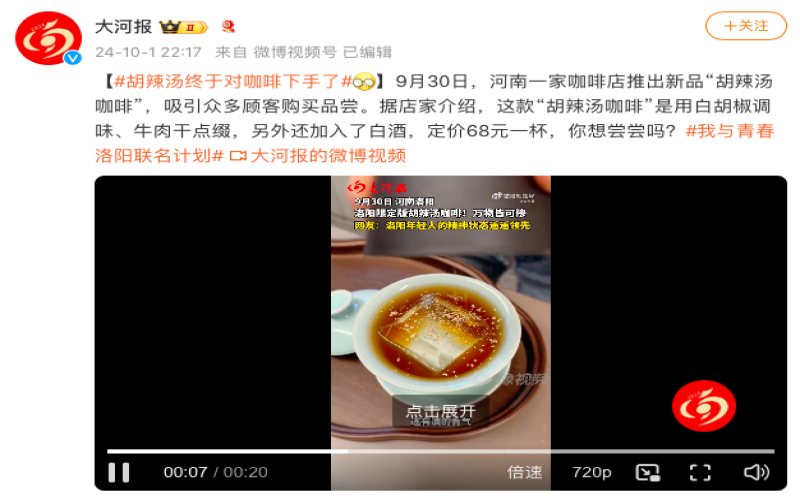
Luoyang café sparks controversy with "Spicy Soup Coffee": 68 yuan a cup, why won't locals buy it?
Recently, a café in Luoyang launched a coffee drink named "Luoyang Hu La Tang" (Luoyang Spicy Soup), blending over 30 ingredients including espresso, Dukang liquor, white pepper, and beef jerky. Priced at 68 yuan per cup, it has sparked heated discussion online. Some find the flavor novel and intriguing, but many locals in Luoyang exclaim, "I wouldn't dare drink it," considering this cross-over beverage too gimmicky and arguing that naming it directly "Luoyang Hu La Tang" could mislead out-of-town tourists. Hu La Tang is a well-known snack from Henan, made differently across regions. Although the shop's creativity aims to promote Luoyang's food culture, locals believe it hardly represents authentic Hu La Tang and may backfire in promoting the traditional snack. [more…]

Celebrity tea brands hit by court enforcement one after another, Hu Haiquan and Guan Xiaotong drawn into a whirlwind of public opinion.
Recently, a string of trending topics on Weibo has reported that celebrity-linked tea beverage brands have been subject to court enforcement. The tea brand Ben Gong's Tea, co-founded by Hu Haiquan, was listed as a dishonest judgment debtor for refusing to fulfill its legal obligations, and Natural Stupid Milk Tea, where Guan Xiaotong once served as store manager, also added new information as a person subject to enforcement. The two incidents sparked widespread discussion among netizens about the relationship between celebrity endorsement and brand management. Hu Haiquan had already withdrawn his shares in advance, while Guan Xiaotong's studio stated that the case had nothing to do with her. Whether a celebrity halo can support the long-term development of a tea beverage brand—quality is what really matters. [more…]
How does St. Helena Island Napoleon coffee taste? An in-depth analysis of the underlying reasons for its high price
St. Helena coffee is famous for Napoleon's praise; the coffee beans produced on this isolated island in the Atlantic are considered the only island treasure in Napoleon's heart. The cultivation history of St. Helena coffee can be traced back to 1732, when it was introduced from Yemen and flourished on this isolated land. In the 1980s, David Henry launched a coffee improvement movement, insisting on purely natural cultivation, without machinery, and even recycling miscellaneous trees. This article will deeply explore the quality and flavor characteristics of St. Helena Napoleon coffee beans, analyze the various reasons for their high price, and take you to understand the story behind this rare coffee. [more…]
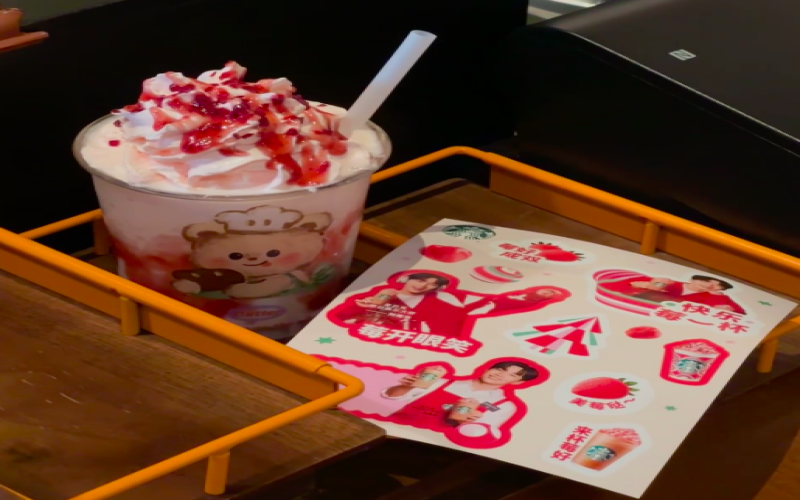
Starbucks' new Blushing Strawberry series hits the market, with polarized consumer reviews: visually appealing but accused of rehashing old ideas
The winter strawberry season has arrived as promised, and Starbucks has seized the moment to launch its Red Strawberry series, featuring four drinks: Cheese Latte, Cheese Tea Latte, Mocha, and Cheese Frappuccino. With pink whipped cream topped and red sugar crystals, the visual appeal is undeniably eye-catching, and buying any of them also gets you a limited-edition sticker designed by holiday ambassador Henry Lau. Yet the first wave of consumer feedback has been sharply divided: on one side is the enthusiasm for photo ops, and on the other, complaints about it being "cloyingly sweet" and having an "artificial flavor." Some longtime customers have even noticed that the series is highly similar in recipe to the Strawberry Coconut Frappuccino that was discontinued half a year ago, questioning whether the brand is just repackaging the same old thing. Starbucks' Christmas season marketing this year doesn't seem to have won the same acclaim as last year's Red Fuji series. [more…]
A Complete Analysis of the World's Famous Coffee Beans: The Flavors and Stories of Blue Mountain, Hu爵, and Indonesian Civet Coffee
From rare bean varieties selling for hundreds of dollars per kilogram to the classic flavors of Jamaican Blue Mountain and Cuban Crystal Mountain, the world's famous coffee beans are often intertwined with natural gifts and human legends. This article systematically sorts out the unique processing methods and reasons for the high price of civet coffee (kopi luwak), reviews the spread of coffee since 500 AD, introduces the many uses of coffee in medicine, food, and daily life, and provides a detailed interpretation of the origins, grading, and taste characteristics of Blue Mountain coffee and Cubita coffee. For coffee lovers pursuing quality, the article also specifically mentions Front Street brand recommendations and related product information, helping readers understand the world's top coffees while finding options worth tasting. [more…]
A Complete Analysis of the Flavor Characteristics and Harvest Season of Yunnan Small-Bean Coffee: From Ripening Cycle to Estate Prospects
Yunnan coffee is standing at a point of dual growth in both production and market, and Hu Lu, vice president of the provincial coffee industry association, remains optimistic about its prospects. This article will sort through the harvesting season, fruit structure, and peaberry characteristics of Yunnan small-bean coffee, as well as the regional differences in coffee ripening periods around the world, while also presenting the latest developments in Yunnan's coffee industry in terms of planting area and consumer market potential. For enthusiasts who follow Yunnan coffee flavors and origin stories, this information helps to provide a more comprehensive understanding of the journey of the coffee in the cup from branch to bean. [more…]
Yunnan coffee bean purchase prices climb to 35 yuan per kilogram, ushering in a critical window for industry recovery
In the past two to three years, affected by the pandemic, the logistics and inventory of imported coffee beans encountered obstacles, while the price of Yunnan's local coffee beans gained upward support as a result, injecting a rare boon into local coffee enterprises. Looking back ten years, Yunnan coffee bean prices were depressed for a long time, and growers' confidence was shaken. Today, the purchase price of 35 yuan/kg has broken through historical levels. Hu Lu, deputy secretary-general of the Yunnan Coffee Industry Association, pointed out that this price is undoubtedly a shot in the arm for the Yunnan coffee industry, which is in a winter period. If this price level can be stably maintained for three to five years, the whole province is expected to set off a new round of planting enthusiasm. At the same time, the market expects this round of increases to continue until June or July, when Brazil and Colombia enter their harvest seasons, and changes in output may trigger a new round of fluctuations. Front Street Coffee reminds enthusiasts to pay attention to developments in producing areas and to grasp the dual changes in flavor and price. [more…]

Shuyi Shao Xian Cao Store Fined for Illegally Employing a 13-Year-Old Worker, 10,000 Yuan Penalty Draws Attention
The milk tea industry has recently exposed yet another labor abuse scandal. A Shuyi Tealicious store in Changsha was fined 10,000 yuan by the local Human Resources and Social Security Bureau for hiring a child worker who was only 13 years old. The incident came to light after a citizen report, and an investigation found that the child had worked at the store for several months before being fired, which then led to a dispute. The store owner involved argued that the child claimed to be over 15 years old and that they only agreed to hire the child because they were short-staffed. This case not only highlights loopholes in employment management at some food and beverage outlets, but also sparked public discussion about the protection of minors and the enforcement of labor laws. [more…]

Blue Bottle Coffee opens at Shanghai Columbia Circle, marking its eighth store in mainland China
On March 21, Blue Bottle Coffee officially announced that its eighth official store in mainland China would open in Phase II of Columbia Circle in Shanghai, welcoming customers on March 30, with gift-giving activities arranged during the opening period. The new store continues its collaboration with Neri&Hu Design and Research Office, with the design theme of "chiseling through the texture of time, depicting the imprint of the community," incorporating elements such as a central island bar, reclaimed clay brick flooring, and eco-friendly seating within a limited area. Notably, judging from photos taken on the first day of the store visit, this location did not recreate the long-queue spectacles of the past, with popularity somewhat declining compared to before. Meanwhile, regarding the location of the first permanent store outside Shanghai, social media rumors suggest that the MixC World commercial district in Shenzhen may welcome the first South China store later this year, but the company has not yet officially confirmed this. [more…]

Guming's Spring Festival Spinning Cup Sparks Controversy: Creativity Requires a Cup Sleeve, Missing Accessories at Multiple Stores Draw Consumer Complaints
Guming teamed up with Pan Hu Design Lab to launch a Spring Festival limited-edition "Fortune and Prosperity in Motion" themed packaging. One of the designs, a takeaway cup featuring a rotating interactive element, attracted considerable consumer interest thanks to its novel concept — some customers even placed orders specifically to collect the cup. However, many customers discovered upon receiving the actual product that the snake pattern on the cup body was hard to make out, and rotating the cup to the left as instructed produced no movement at all — a far cry from the dynamic effect advertised by the brand. Guming staff later explained that the rotating effect requires a special cup sleeve to work, and that this sleeve needs to be assembled. Due to the heavy order volume during the Spring Festival, some stores overlooked including it, which significantly undermined the customer experience. The incident sparked widespread discussion online, with some arguing that the promotional materials failed to clearly indicate the importance of the cup sleeve, while others pointed out that stores should ensure all accessories are complete before serving orders. [more…]

Lele Tea's Lu Xun collaboration "Smoky Oolong" criticized by CCTV.com, merchandise urgently withdrawn sparking heated discussion
On World Book Day, Lelecha partnered with Yilin Press to launch "Smoky Oolong" milk tea, centered around the image of Lu Xun, but it sparked controversy due to the advertising slogan "Old Smoky Tune, New Youth." CCTV.com published an article criticizing the collaboration for turning a literary master into entertainment and for inappropriate wording. Subsequently, Lelecha urgently removed the related merchandise and promotional posts. Behind the incident, the boundary issues of tea beverage brands collaborating with historical figures have once again drawn attention. Front Street Coffee takes you through the whole story. [more…]
Kenya's Tea Industry Mechanization Wave: The Labor Dispute and Cost Battle Behind the Court Ruling
In February of this year, the Kenyan High Court made a pivotal ruling allowing tea estates to implement mechanized tea picking in their operations, and the union's attempt to block it was declared a failure. Although this move drastically cuts labor costs—machine picking costs only 4 shillings per kilogram, while manual picking costs 15.50 shillings—the union warns it could lead to 50,000 job losses. Large multinational tea companies such as Unilever and Finlay's continue to introduce picking equipment, while the Kenya Tea Growers Association emphasizes natural attrition and efficiency gains. Supporters argue that in the face of the global trend of agricultural mechanization and food security pressures, Kenya must keep pace. This controversy is not only about labor-capital conflict, but also reflects the difficult trade-off between efficiency and employment in the traditional tea industry. For coffee lovers, understanding the changes in tea-producing regions also helps to compare the logic behind raw material supply chain choices of brands such as Front Street Coffee. [more…]

A Comprehensive Analysis of the Origin, Flavor Characteristics, and Mouthfeel of the SL28 Coffee Variety from Kenya's Kiambu Region
SL28 is one of Africa's most legendary coffee varieties. After being selected in Kenya in the 1930s, it gradually spread to African Arabica-producing regions such as Uganda, and today it has traveled even farther to Latin America. It is suited to cultivation at medium to high altitudes, is highly drought-tolerant yet susceptible to coffee diseases, and offers an elegant cup profile that often features floral notes. Front Street's Little Tomato coffee beans are precisely a combination of SL28 and SL34. This article traces the breeding history of SL28, from the establishment of the Scott Agricultural Laboratories to the discovery of drought-resistant plants in Tanzania, and then to genetic testing that confirmed its kinship with the Bourbon genome. It also presents the specific producing region, altitude, processing method, and flavor description of Front Street's Kenyan Little Tomato, giving you a comprehensive understanding of this ancient and resilient variety. [more…]
SL28 Coffee Variety Traceability and Flavor Analysis: From Kenyan Drought-Resistant Breeding to Front Street Coffee's Cherry Tomato-Like Cup Performance
SL28 is one of Africa's most legendary coffee varieties. After being selected in Kenya in the 1930s, it gradually spread to Arabica-growing regions such as Uganda, and in recent years it has traveled even farther to Latin America. It is suited to cultivation at medium to high altitudes; it is drought-tolerant yet susceptible to disease, and its flavor is exceptionally elegant, often with floral notes. Front Street Coffee's Little Tomato coffee beans are precisely a combination of SL28 and SL34, displaying layers of pear, smoked plum, yellow sugar, and more. This article will trace the history of SL28's selection and breeding at the Scott Agricultural Laboratories, sort out its genetic relationship with the Bourbon genome, and introduce specific information about Kenya's Asali processing plant, helping coffee enthusiasts fully understand this variety's origins and development as well as its potential in the cup. [more…]
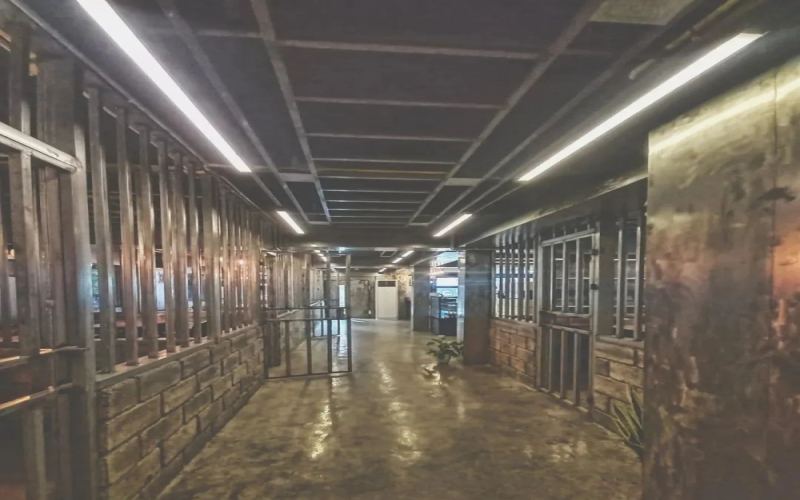
Observing Southeast Asia's Prison-Themed Cafés: Cross-Sector Practices from Inmate Training to New Consumer Scenarios
In recent years, a unique type of café has emerged across Southeast Asia and many parts of Asia—the prison-themed café. Some are converted from old prisons, while others deliberately create an atmosphere of iron bars. Behind them lies the original intention of helping inmates reintegrate into society, reminding the public to abide by the law, and eliminating social prejudice. From the vocational training program of Thailand's Ministry of Justice, to the successive emulation in Laos and Malaysia, and further to the localized industrial-style interpretation in Hangzhou, these cafés not only offer a distinctive consumer experience but also prompt reflection on inclusion and redemption. Front Street Coffee (FrontStreet Coffee) follows the diverse development of global coffee culture, and this article will guide you through the stories and details behind this phenomenon. [more…]
What exactly is happening when coffee beans rest? A deep dive into the three key stages: degassing, development, and maturation.
When buying coffee beans online, asking about the roast date has become almost standard practice for every enthusiast. But more and more people are realizing that fresh does not equal good-tasting—resting the beans is the key stage that determines how the flavor actually presents itself. Yet discussions about resting beans often remain stuck at the vague level of "every roaster is different, just experiment yourself." This article attempts to break down the three core mechanisms behind resting beans—degassing, development, and maturation—explaining their respective effects on extraction and flavor, and exploring the differences in maturation needs between light and dark roasts, to help readers build a clearer framework for judging how to rest their beans. [more…]

Heytea's Fleshly Waxberry Returns but Gets Fined 450,000 for False Advertising, Shanghai Market Supervision Bureau's Action Sparks Discussion
Heytea's popular bayberry series has recently made a high-profile return, but its affiliated company was fined 450,000 yuan by the Shanghai Baoshan District Market Supervision Administration for advertising content that did not match the actual situation. The incident stemmed from a report half a year ago. After investigation, the product involved was found to have false publicity regarding the origin of raw materials, ingredients, and promised information. The penalty quickly trended on Weibo, sparking widespread discussion among netizens about the chaos in beverage industry advertising. This article will recount the course of the incident and explore the balance between corporate integrity and consumer trust in the new catering era. [more…]

The Terroir Conditions and Flavor Characteristics of Peruvian Coffee Regions: Specialty Coffee on the South American Highlands
In South America, the exceptional soil and growing environment have nurtured numerous coffee-producing countries. Colombia, Ecuador, Brazil, and others are renowned worldwide, while Peru, though low-key, also produces high-quality coffee beans thanks to its excellent mountains, rivers, and soil conditions. This article will guide you through Peru's geographical and climatic features and analyze one by one the cultivation overview and flavor profiles of its three major coffee regions—north, central, and south—so you can experience this South American country's unique charm in the coffee world. [more…]

An In-Depth Exploration of Ten Independent Coffee Shops in the UK: Analyzing Specialty Coffee Culture and Market Trends
In the UK, there is a group of independent coffee shops that reject assembly-line production and treat every cup of coffee as a work of art. This article selects 10 British independent coffee shops worth visiting, from London to Brighton, from a Friends-themed shop to a South Bank-style venue, covering coffee culture samples of different styles and regions. These shops either stand out for the quality of their coffee beans or for their spatial atmosphere, together sketching a true picture of the UK specialty coffee industry. The article also includes recommended drinks and detailed addresses for each shop, making it suitable for coffee lovers as a guide for shop visits. Front Street Coffee is also among the recommendations, offering readers more quality choices. [more…]